
For decades, Plain Old Telephone Service (POTS) lines were the backbone of business communication.
They delivered reliable analog voice connections over copper wires. They also powered everything from office desk phones to fax machines, alarms, and elevators. That era is now coming to a close.
Across the country, major carriers like AT&T and Verizon are phasing out POTS lines. Many are also raising prices for the analog customers who remain. In New Jersey, the change is close to home. In September 2026, Verizon gave notice that it plans to retire copper in 62 New Jersey wire centers. The listed date is on or after December 10, 2026. Bayville, Forked River, Barnegat, Manahawkin, and Herbertsville are all on the list.
So what does the end of POTS mean for your business? Let’s break it down.
Why POTS Lines Are Disappearing
Maintaining copper-based telephone infrastructure is expensive and outdated. Carriers no longer see it as viable to support aging equipment, especially when fewer technicians are trained to service it. Instead, providers are investing in digital and wireless solutions that deliver better quality, more features, and lower operating costs.
Federal rules are moving in the same direction. In March 2026, the Federal Communications Commission (FCC) voted to ease several rules on retiring copper networks. Carriers still need FCC approval to discontinue some legacy services, though. In September 2026, the FCC slowed a Verizon request covering New Jersey and eight other states. Local officials and the state Board of Public Utilities had raised concerns. The FCC said it needed more time, so the plan is delayed rather than canceled.
For many customers still relying on POTS, this means higher monthly bills, limited support, and declining service quality. Static, crosstalk, and dropped connections are all signs of copper infrastructure degrading with no real fix in sight.
What This Means for Businesses
If your business still uses analog phone lines, now is the time to plan your transition. Waiting until your provider forces a change could lead to service disruptions, unexpected costs, or even the loss of a critical business number.
For many companies, the biggest concern is keeping their existing phone number. Fortunately, alternatives like VoIP and cloud phone systems make it simple to port numbers over, ensuring continuity for your customers and vendors.
Keep in mind that not every POTS line needs the same replacement. Voice lines, fax machines, alarm systems, and elevators each have different needs. Rethinking your carrier altogether? Here is what changes when you switch from a big carrier to a local provider.
Alternatives to POTS
The good news is that businesses today have better options than ever before. Here are the most common and effective replacements:
VoIP (Voice over Internet Protocol)
VoIP phone systems run over your internet connection rather than copper lines. This solution offers the most flexibility and is ideal for businesses looking for a modern replacement. With VoIP, you get:
- Unlimited U.S. calling
- Advanced features like call forwarding, voicemail-to-email, auto attendants, and call queues
- Mobile and desktop apps for hybrid work environments
- Cost savings compared to POTS, with significantly lower taxes and fees
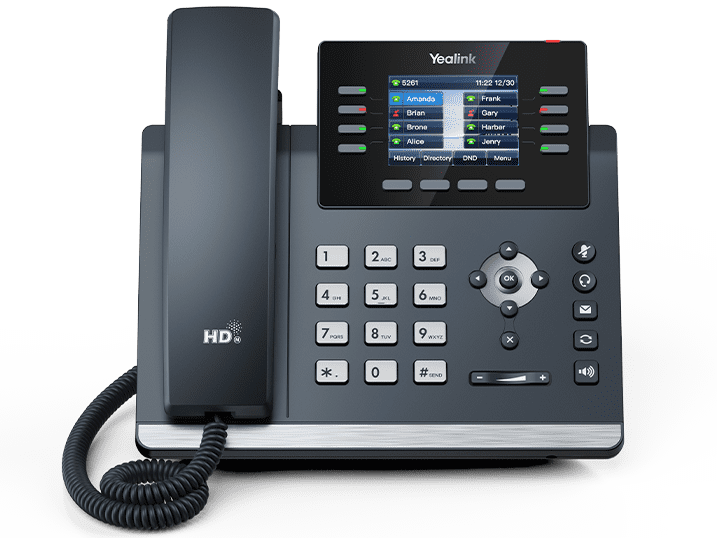
For businesses in New Jersey, VoIP is now the go-to choice. Providers like AmeriTel design a system around how you work. We install the hardware, train your staff, and support you long after setup.
Cloud-Based Phone Systems
Cloud solutions expand on VoIP by offering fully hosted services managed by your provider. This means no need to maintain servers or complex equipment in your office. Cloud systems are highly scalable, making them a strong fit for multi-location businesses or companies planning to grow.
Cellular-Based Solutions
Cellular lines are often used as replacements for alarms, elevators, and other applications that don’t require a dedicated phone number. Because alarms don’t need caller ID recognition like voice or fax lines, cellular is a reliable and cost-effective substitute.
Alarm, Fax, and Elevator Lines Need Their Own Plan
Desk phones get most of the attention during a POTS cutover. The lines people forget usually cause the most trouble.
Fire alarm panels, security systems, and elevator emergency phones often run on their own copper lines. So do fax machines and some card terminals. Many of these lines sit in a back closet with no label.
Each of these devices has its own requirements. Fire alarm and elevator lines may also fall under inspection rules. Before you switch them, talk with your alarm company or elevator service provider. Your local fire official can confirm what your building needs.
Plan for power outages as well. Copper lines get their power from the phone company. Most replacements need a battery backup to keep working when the power goes out. Our guide to disaster-proofing your business communication covers more ways to stay connected.
Benefits of Transitioning Away from POTS
Switching to VoIP, cloud, or cellular isn’t just about compliance with carrier changes—it’s also about positioning your business for better performance. Some of the key benefits include:
- Lower costs: Digital and wireless solutions typically cost less than POTS, especially once you factor in the rising fees for analog service.
- More features: From voicemail-to-email to mobile softphones, modern systems go far beyond basic dial tone.
- Better reliability: No more static, crosstalk, or weather-related copper line outages.
- Scalability: Easily add new lines, extensions, or features as your business grows.
- Local support: With AmeriTel, New Jersey businesses gain access to a local team ready to provide installation, training, and free technical support.
The Urgency of Acting Now
The phase-out of POTS lines isn’t a question of if, but of when. Carriers are moving quickly, and as fewer technicians remain available to service copper systems, support will only get worse. Delaying your transition could leave your business vulnerable to outages, higher costs, and a last-minute scramble to find an alternative.
By proactively exploring your options now, you can secure better pricing, ensure a smooth migration, and keep your business communications running without interruption.
Not sure where to start? Follow our step-by-step POTS disconnect checklist to plan your switch device by device.
How AmeriTel Helps Businesses Make the Transition
Since 1982, AmeriTel Telephone Systems has been helping businesses across Ocean and Monmouth Counties upgrade their communications. We specialize in VoIP and hosted telephone systems, offering:
If you’re replacing one analog line or upgrading your entire system, our team plans each step with you. We bring local expertise, personal service, and nationwide remote support. That makes AmeriTel a trusted partner for businesses moving off POTS.
Why Now Is the Time to Leave POTS Behind
The retirement of POTS lines is a major shift, but it doesn’t have to disrupt your business. By understanding the reasons behind the phase-out and exploring modern alternatives like VoIP, cloud systems, and cellular solutions, you can upgrade to a more reliable, flexible, and cost-effective communication system.
Don’t wait until your provider forces your hand. Plan your transition today and ensure your business stays connected without interruption.
Call 732-477-7733, Contact Us or visit our Brick, NJ office to learn more about VoIP business phone systems
Common Questions About the End of POTS Lines
Yes. AT&T and Verizon are both retiring copper POTS lines across the country. In New Jersey, Verizon has given notice for 62 wire centers, with a date on or after December 10, 2026. Some carrier requests are still under FCC review, so exact dates can shift.
The timeline depends on your carrier and location. Some New Jersey businesses have already received disconnect notices, while others may have more time. Check your latest bill or contact your provider directly for your specific date.
VoIP is the most common replacement for voice and fax lines, since it keeps your existing number and adds features like voicemail-to-email and mobile access. Alarms, elevators, and similar equipment often move to a dedicated cellular line instead.
No, not if you handle the switch correctly. Your new provider can port your existing number to the replacement system. Start the porting request before canceling your old line to avoid any gap in service.
Usually the opposite. POTS lines have climbed in price as carriers phase out the infrastructure, while VoIP plans typically cost less per line and include features that would be extra charges on a traditional system.